
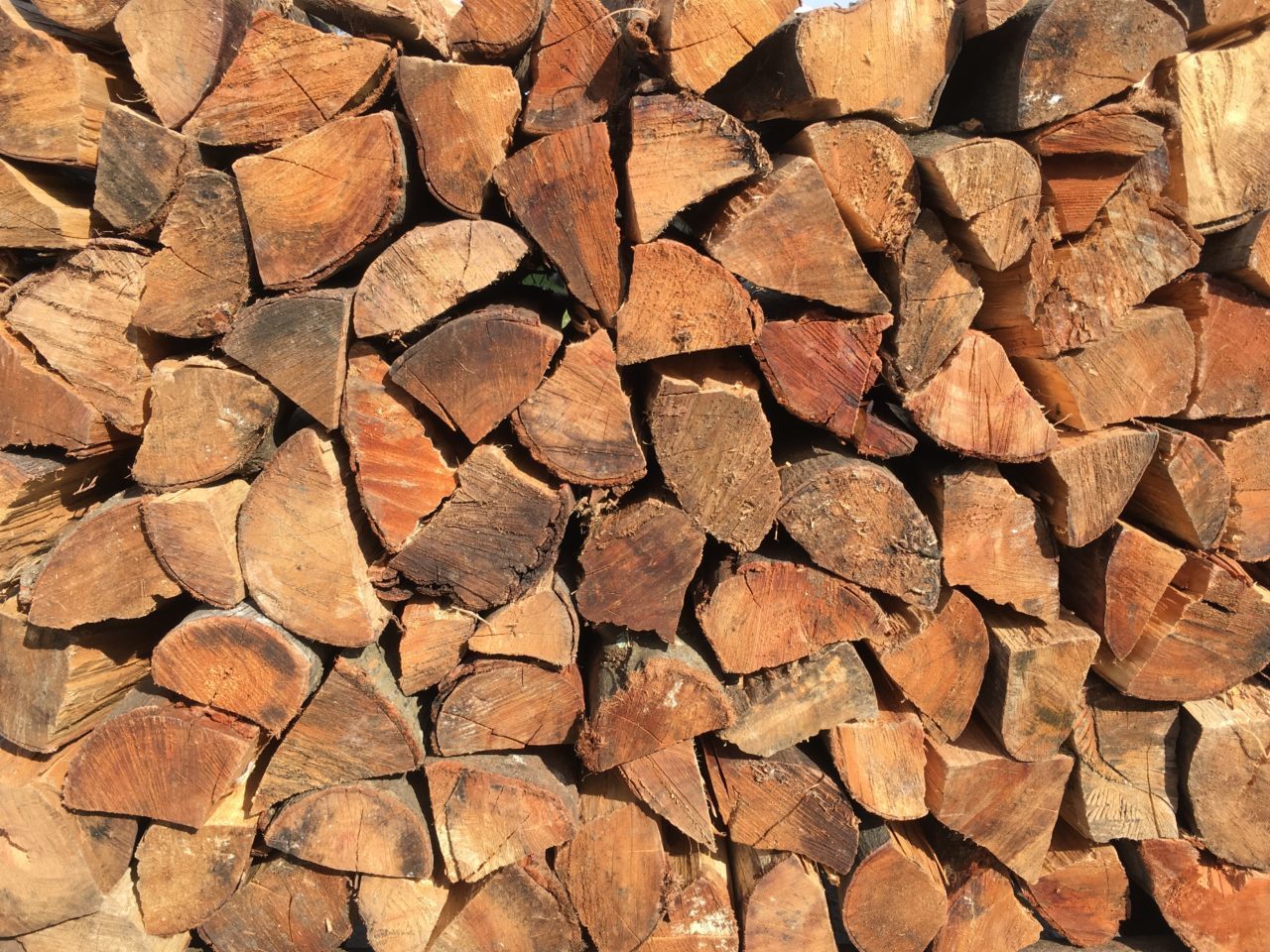
With the days growing chillier and the rainy season on its way, it’s time to start thinking about stocking up on firewood and getting your fireplace started up again. While there is a variety of wood out there that works well in fireplaces, Black Wattle is a particular favourite in South Africa. Not only does it keep you warm, it is multi-purpose in that it can be used for cooking and braais too, heating up your heart along with your home.
Where does Black Wattle come from?
Black wattle or Acacia mearnsii, is a tree indigenous to Australia, where it naturally forms part of the undergrowth in Eucalyptus (blue-gum) forests. It is an evergreen that can grow up to 30 metres high, producing dark green foliage and grey-brown or black bark. The species was initially introduced to South Africa in the 19th Century for shade and firewood. Once the high tannin content in wattle bark (useful for dyeing, especially leather products) was discovered, however, the trees started being planted commercially and have formed a valuable part of the South African economy ever since.
The danger with Black Wattles is that they easily break out of plantations, invading surrounding areas. This has caused major conflicts of interest in deciding what to do with this alien species, taking economic and environmental concerns into consideration. Firewood harvesters have found a niche in repurposing cleared Black Wattle trees for fuel wood.
Why Black Wattle?
There are several reasons why Black Wattle has made such an impression on South Africans:
It’s a fairly slow burner
Because this is a relatively dense wood, Black Wattle burns for a fairly long time and offers fair amount of residual heat once the wood has burnt down to coal. This makes it a great choice for open fireplaces in winter, offering constant heat to keep a home nice and cosy when the cold weather bites. Blackwattle also makes wonderful flames , the ideal “kuierhout” for social gatherings, where a fire provides the warming atmosphere needed to keep good conversation flowing.
It doesn’t make a fuss
Unlike some other wood types, Black Wattle ignites fairly easily after its been seasoning for six to twelve months. Equally attractive, is that it leaves little residue after burning. After letting a fire crackle in the living room, no one wants to clean up heaps of ash, which is why Black Wattle tends to be the some peoples first choice.
It knows its flavours
When using Black Wattle to cook or braai, on top of fairly long lasting heat, you get the added bonus of achieving a unique, smoky flavour in your food. This makes it a popular option for smokers and when it comes to braais it is a flavour which lets many people know they are home.
It’s more sustainable
There is much conflict surrounding the commercial use of Black Wattle for tannin extraction in South Africa, due to the fact that it is a highly invasive species. Researchers are trying to find a balance between maintaining the economic benefits of the species, whilst ensuring that it does not cause any long-lasting ecological damage or harm to indigenous environments. Among all the debate, firewood harvesters have found an opportunity. Instead of leaving cleared trees from outside plantations to rot and go to waste, these can be ‘recovered’ and used for firewood. This makes Black Wattle a more sustainable fuel option than indigenous trees, which are vital to local ecosystems and take longer to regenerate.
Storing blackwattle
Keep it dry: under a roof, off the ground and with some air around the stack. A garage, a shed or the space under the fireplace all work. Our bagged blackwattle is seasoned and kept under cover before it goes on the truck, so it is ready to burn. Dry Guaranteed.
Want blackwattle for this winter? Blackwattle, 20kg bag, delivered across Cape Town. Not sure how many bags? Build my order for me.

